
How Does Synthetic Cannabinoids Work
What to Do During a Seizure
Oct
What to Do During a Seizure:
A Complete First-Aid and Safety Guide
Witnessing someone have a seizure can be frightening, especially when you do not know what is happening or how to help. The person may suddenly fall, experience muscle jerking, stare blankly, become confused, or temporarily lose awareness of their surroundings. Although these symptoms can look alarming, knowing what to do during a seizure can help you protect the person from injury and recognize when emergency medical assistance is necessary.
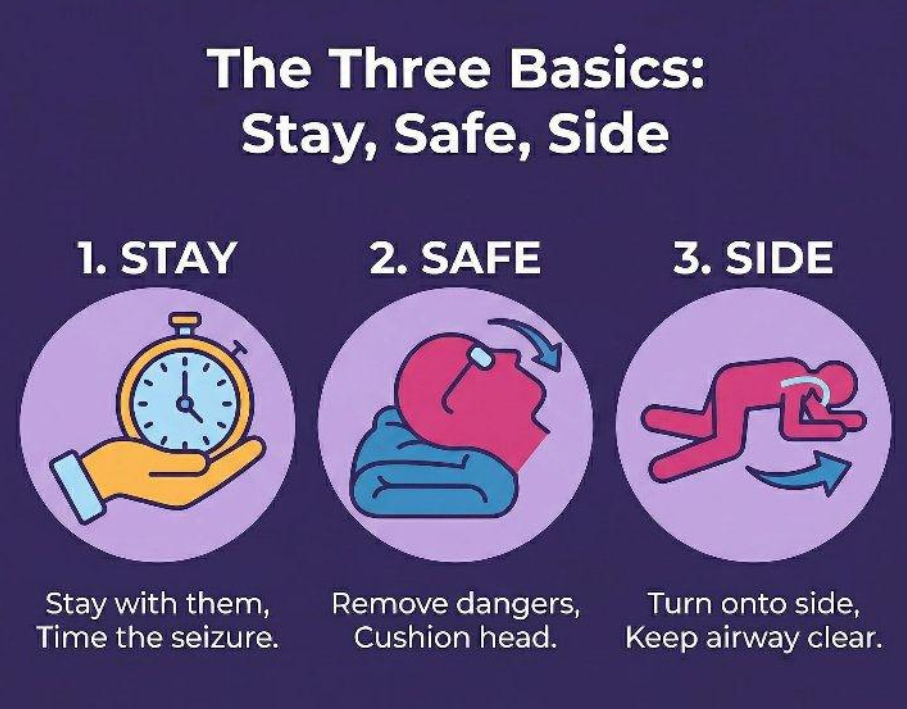
The most important things to remember are simple: stay calm, keep the person safe, time the seizure, and stay with them until they recover. Never restrain someone who is having a seizure, and never put your fingers, a spoon, medication, or any other object into their mouth.
Most seizures stop on their own within a few minutes. However, a seizure lasting five minutes or longer, repeated seizures without recovery, breathing difficulties after the seizure, or a first known seizure can require emergency medical attention.
This guide explains how to recognize a seizure, what to do during and after one, which mistakes to avoid, and when to contact emergency services.
Medical note: This article provides general first-aid education and is not a substitute for professional medical advice or hands-on first-aid training. Follow an individual’s seizure action plan when available, and contact local emergency services when urgent warning signs occur.
Quick Answer: What to Do During a Seizure
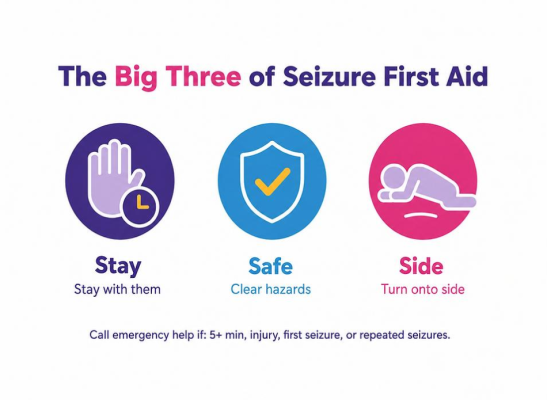
If someone is having a seizure, follow these essential first-aid steps:
- Stay calm and stay with the person. Your presence can help keep them safe and reassure them as they recover.
- Protect them from injury. Move nearby furniture, sharp objects, hot items, and other hazards out of the way.
- Protect their head. If they are on the ground, place something soft and flat, such as a folded jacket, under their head when safe to do so.
- Time the seizure. Note when it begins and how long it lasts.
- Do not restrain their movements. Allow the seizure to run its course without forcing their arms or legs into position.
- Never put anything in their mouth. A person cannot swallow their tongue, and objects in the mouth can cause serious injury or choking.
- When the convulsions stop, check their breathing and responsiveness. If they are not fully awake but are breathing normally, gently place them on their side when safe.
- Get emergency help when necessary. Call your local emergency number if the seizure lasts five minutes or longer, another seizure begins before recovery, the person has trouble breathing afterward, or other emergency warning signs are present.
These steps are the foundation of seizure first aid. The exact response may vary depending on the type of seizure, the person’s medical history, and whether they have a seizure action plan.
What Is a Seizure?
A seizure is a temporary episode caused by abnormal electrical activity in the brain. It can affect movement, awareness, behavior, sensation, or other body functions.
Seizures do not always look the way people expect. Some involve dramatic body movements and loss of consciousness, while others cause brief staring, unusual sensations, repetitive movements, or confusion.
A seizure can last a few seconds or several minutes. The person’s experience during and after the event depends on the type of seizure and the brain areas involved.
Epilepsy is a neurological condition associated with an ongoing tendency to have seizures. However, having one seizure does not automatically mean that a person has epilepsy. Seizures may also occur in association with other medical problems, injuries, infections, or metabolic disturbances.
Regardless of the cause, the immediate priority when witnessing a seizure is to prevent injury, observe what happens, and recognize when urgent medical care is needed.
Common Types of Seizures and How to Recognize Them
Understanding the different ways seizures can appear helps you respond appropriately. You do not need to identify the exact seizure type before providing basic first aid.
1. Tonic-clonic seizures
Tonic-clonic seizures are often what people picture when they hear the word seizure.
During this type of seizure, a person may lose consciousness, fall to the ground, experience muscle stiffening, and develop repeated jerking movements. Their breathing may temporarily sound unusual, and they may drool or bite their tongue.
Afterward, they may feel exhausted, confused, or disoriented.
What to do: Protect their head, clear nearby hazards, time the seizure, and avoid restraining them. Once the convulsions have stopped, check their breathing and help them recover safely.
2. Focal seizures
Focal seizures begin in one area of the brain. They may cause unusual sensations, repetitive movements, changes in behavior, or altered awareness.
A person might repeatedly move their hands, make chewing movements, appear confused, or seem unable to respond normally. Some people remain aware throughout the episode, while others have impaired awareness.
What to do: Stay nearby, speak calmly, and gently guide the person away from hazards if they are confused or wandering. Do not grab or forcibly restrain them unless immediate danger makes intervention necessary to prevent serious harm.
3. Absence seizures
Absence seizures can cause a brief pause in awareness. A person may suddenly stop speaking, stare into space, or blink rapidly for several seconds before returning to their previous activity.
These episodes can be mistaken for daydreaming or inattention, particularly in children.
What to do: Keep the environment safe and observe what happens. If the episodes are new, recurrent, or unexplained, encourage medical assessment. Seek emergency help if the person develops additional concerning symptoms or meets emergency criteria.
4. Atonic and other seizure types
Atonic seizures can cause a sudden loss of muscle tone, making a person collapse or drop their head. Other seizures may cause brief jerking, unusual sensations, or movements involving only one part of the body.
These episodes may carry a risk of falls or injury even when they last only a short time.
What to do: Prevent injury where possible, remain with the person, and follow their known seizure action plan. If they fall, assess for injury and seek emergency assistance when indicated.
Remember that seizure symptoms can vary considerably. When you are uncertain whether someone is experiencing a seizure, prioritize safety and seek medical help if the event is new or concerning.
What to Do During a Seizure: Step-by-Step First Aid
Knowing the correct sequence of actions can make an overwhelming situation easier to manage. Use the following steps as a practical guide.
Step 1: Stay calm and assess the surroundings
Take a breath and look around for immediate dangers. A person having a seizure may be unable to protect themselves from nearby objects, traffic, heat, water, or falls.
If possible, ask someone nearby to assist. One person can help keep the area clear while another times the seizure or contacts emergency services if needed.
Speak in a calm voice. Avoid shouting, crowding the person, or allowing a group of onlookers to gather too closely.
You do not need to stop the seizure yourself. Your main responsibility is to reduce danger while observing what happens.
Step 2: Protect the person from injury
Move chairs, tables, sharp objects, glass, hot drinks, and other potentially dangerous items away from the person.
If the person is near a road, open fire, or another immediate hazard, move them only as much as necessary to protect them. Do not attempt unnecessary lifting or movement during strong convulsions.
If they are wearing glasses, remove them when you can do so safely. Loosen tight clothing around the neck if it is restricting breathing.
If the person falls to the ground, protect their head with something soft and flat, such as a folded jacket or towel. Avoid putting a thick or bulky object under their neck.
Never attempt to hold their body still. Forced movements can injure their muscles, joints, or bones.
Step 3: Start timing the seizure
Timing is one of the most useful things a bystander can do.
Look at your phone or watch and note when the seizure starts. Continue observing until the active seizure ends.
Seizures can feel much longer to witnesses than they actually are. Accurate timing helps emergency responders and healthcare professionals understand the event.
If the seizure reaches five minutes, call emergency services immediately if you have not already done so. If you know the person has a specific seizure action plan that defines a different emergency threshold, follow that plan while seeking appropriate medical assistance.
Also note whether the person has another seizure before regaining their usual awareness.
Step 4: Give the person space
Ask other people to step back unless they are needed to help. A clear area reduces the risk of accidental injury and gives emergency responders room to work.
Avoid filming the person for social media or sharing identifiable images. A seizure is a medical event, and the person’s dignity and privacy deserve protection.
If the person appears confused or frightened, speak gently and explain that you are there to help.
Step 5: Do not restrain their movements
During a convulsive seizure, the person’s muscles may stiffen and their arms or legs may jerk uncontrollably.
Do not pin their arms, hold their legs down, sit on them, or attempt to force their body into a particular position.
Restraint does not stop the abnormal electrical activity in the brain. Instead, it can cause injury and make the situation more dangerous.
Keep the surroundings safe and let the seizure run its course.
Step 6: Never put anything in their mouth
This is one of the most important seizure first-aid rules.
Never put your fingers, a spoon, a wallet, cloth, medication, water, or any other object into the mouth of someone having a seizure.
People cannot swallow their own tongues. Although someone may bite their tongue during a seizure, trying to hold their mouth open can break teeth, injure the jaw, cause choking, or seriously injure the person helping them.
Do not try to pull their tongue forward or force their teeth apart.
Instead, focus on protecting their head, clearing the area, and observing their breathing and movements.
Step 7: Help them onto their side when appropriate
If the person is having strong convulsions, do not forcibly turn or reposition them while doing so could injure them or you.
When the convulsions stop, check whether they are awake and breathing normally. If they are not fully conscious but are breathing normally, gently turn them onto their side into a recovery position when it is safe to do so.
This position helps saliva or vomit drain from the mouth and can help keep the airway clear.
If the person is fully awake, responsive, and comfortable, they may not need to be moved into a recovery position.
If you suspect a neck, back, or serious head injury, avoid unnecessary movement and follow emergency dispatcher’s instructions.
Step 8: Monitor breathing and responsiveness
After a seizure, the person may be sleepy, confused, or temporarily slow to respond. This recovery period is often called the postictal phase.
Watch their breathing and observe whether their responsiveness improves. Stay with them and provide calm reassurance.
If they are not breathing normally, are only gasping, or remain unresponsive without normal breathing, call emergency services immediately and begin CPR if indicated, following the emergency dispatcher’s instructions and your level of training. Use an automated external defibrillator (AED) if available and appropriate.
Do not assume that every breathing change during a seizure means the person needs rescue breaths during the convulsions. Follow recognized first-aid guidance and prioritize assessment after the active seizure.
Step 9: Follow the person’s seizure action plan if available
Some people with epilepsy have a written seizure action plan prepared with their healthcare professional.
The plan may explain what their usual seizures look like, how long they normally last, which symptoms require an ambulance, and whether prescribed rescue medication is appropriate.
If you are a caregiver who has been trained to administer prescribed rescue medication, follow the person’s plan and your training. Never give someone else’s medication or improvise a dose.
If you do not know the person’s history or are unsure how to respond, prioritize standard first aid and contact emergency services when warning signs occur.
When Should You Call Emergency Services for a Seizure?
Not every seizure requires an ambulance, particularly when a person has diagnosed epilepsy and a care plan for brief, typical seizures. However, certain circumstances require urgent medical attention.
Call your local emergency number if:
- The seizure lasts five minutes or longer. This can be a sign of a medical emergency, particularly if the seizure is convulsive.
- Another seizure begins before the person regains awareness. Repeated seizures without recovery can be dangerous.
- The person has trouble breathing after the seizure or does not regain consciousness as expected.
- It is their first known seizure. They need urgent medical assessment to determine the cause.
- They sustain a serious injury during the seizure, including a significant head injury.
- The seizure occurs in water. Water-related seizures can cause drowning or breathing complications.
- The person is pregnant and has a seizure.
- The person has diabetes and loses consciousness, particularly when low blood sugar or another serious complication is possible.
- The seizure occurs in unusual circumstances or you are unsure whether the person is recovering safely.
Follow the emergency dispatcher’s instructions. If someone else is present, ask them to call while you remain with the person.
Use the emergency number for your location. For example, 911 is used in the United States and Canada, while 112 is available in many countries and 999 is used in the United Kingdom. Emergency numbers and service availability vary by country.
Do not delay an emergency call because you are embarrassed, uncertain about the person’s diagnosis, or worried about overreacting.
What Not to Do During a Seizure
Well-intentioned actions can sometimes make a seizure more dangerous. Knowing what to avoid is just as important as knowing what to do.
Do not hold the person down
Restraining a person cannot stop a seizure and may cause injuries to their muscles, joints, or bones. Clear hazards instead and let the movements finish naturally.
Do not put anything in their mouth
Never insert objects or fingers into their mouth. This can cause dental injuries, choking, and harm to the person providing first aid.
Do not give food, water, or oral medication
A person whose awareness is impaired may be unable to swallow safely. Food, drinks, and tablets can enter the airway and cause choking.
Wait until the person is fully alert and able to swallow normally before offering anything by mouth, unless a specific emergency plan and appropriate training indicate otherwise.
Do not try to force them to wake up
Shaking, slapping, pinching, or shouting at the person will not stop the seizure. Remain calm, monitor their condition, and allow them time to recover.
Do not crowd the person
Too many people nearby can obstruct access, increase distress, and compromise privacy. Ask bystanders to give the person space.
Do not assume they are pretending
Seizures can look different from one person to another. Some are subtle, and some cause dramatic movements or changes in awareness.
Take the event seriously, offer appropriate help, and avoid making judgments about its cause.
Do not leave them alone immediately afterward
Even when the seizure has stopped, the person may remain confused, exhausted, or unsteady. Stay nearby until they have recovered sufficiently or emergency professionals take over.
What to Do After a Seizure
First aid does not end when the movements stop. The recovery period is an important time to monitor the person’s breathing, prevent further injury, and offer reassurance.
1. Check their breathing
Observe whether the person is breathing normally. If they are not fully awake but are breathing normally, help them into the recovery position when appropriate.
If they are not breathing normally, call emergency services and follow instructions for CPR.
2. Let them rest
A person may feel extremely tired after a seizure. They may have a headache, muscle soreness, nausea, confusion, or difficulty remembering what happened.
Give them time to recover in a safe, quiet environment. Do not pressure them to stand, walk, or immediately return to normal activities.
3. Reassure them
When the person begins to regain awareness, they may not know where they are or why people are standing around them.
Use simple, reassuring language. For example, say, “You had a seizure, and you are safe. I’m staying here with you.”
Explain what happened without overwhelming them with details. Allow them to ask questions when they feel ready.
4. Check for injuries
Look for visible injuries, bleeding, bruising, or signs of a fall. Do not move the person unnecessarily if a serious head, neck, or back injury is suspected.
Seek medical attention if an injury appears serious or if you are uncertain about the person’s condition.
5. Do not offer food or drink too soon
Wait until they are fully awake and can swallow normally. If they remain confused, drowsy, or unable to sit safely, continue monitoring them and seek medical advice as appropriate.
6. Record what happened
If possible, note the seizure’s start and end times, what movements occurred, whether awareness changed, and how the person behaved afterward.
This information can help a healthcare professional assess the event. If the person has epilepsy, the observations may also help them and their care team recognize changes in their usual seizure pattern.
7. Help them contact someone they trust
Once they are alert, ask whether they would like you to contact a family member, friend, caregiver, or healthcare professional.
Do not assume they can safely travel home alone or immediately resume driving, swimming, working at heights, or operating machinery. Their readiness depends on their recovery, medical guidance, and local safety requirements.
What Causes Seizures?
Seizures occur when there is a temporary disturbance in the brain’s electrical activity. There is no single cause that applies to every seizure.
Epilepsy is one important cause, but seizures can also occur in association with other medical conditions or circumstances.
Possible causes and contributing factors include:
- Epilepsy and other neurological disorders.
- Head injuries and certain brain conditions.
- Infections affecting the brain or body.
- Very low blood sugar or certain metabolic disturbances.
- Stroke or other acute neurological problems.
- Certain medications, drug toxicity, or withdrawal from particular substances.
- High fever in young children, which can sometimes cause febrile seizures.
- Complications during pregnancy, including conditions that can cause seizures and require immediate medical attention.
Some people with epilepsy identify factors that may increase the likelihood of their seizures, such as inadequate sleep, missed medication, illness, or specific individual triggers.
However, a trigger is not necessarily the underlying cause, and many seizures occur without an obvious warning or identifiable trigger.
Never try to diagnose the cause of a first seizure yourself. A healthcare professional can evaluate the person’s history, symptoms, examination findings, and any tests needed to determine the appropriate next steps.
How to Help a Child Having a Seizure
Seeing a child have a seizure can be particularly frightening for parents, teachers, and caregivers. The basic principles of seizure first aid remain the same: protect the child from injury, time the seizure, avoid restraint, and never put anything in their mouth.
If a child falls, gently protect their head with something soft and move nearby hazards away. Do not attempt to stop the jerking movements.
After the convulsions stop, check the child’s breathing and responsiveness. If they are not fully awake but are breathing normally, place them on their side when safe and appropriate.
Call emergency services if the seizure lasts five minutes or longer, breathing is impaired after the seizure, another seizure occurs without recovery, the child is seriously injured, or this is their first known seizure.
Children can experience febrile seizures associated with fever, but a caregiver should not automatically assume that a seizure is caused by fever. A first seizure or an event with concerning symptoms needs prompt medical evaluation.
For an infant or child, seek emergency help if you are uncertain about their breathing, the cause of the seizure, or how to keep them safe.
If a child has a known seizure disorder, follow their individualized action plan. Parents, teachers, school staff, and other regular caregivers should know where the plan is kept and what their responsibilities are during an event.
What to Do If Someone Has a Seizure in Water
A seizure in a swimming pool, bathtub, lake, or other body of water requires special attention because of the risk of drowning.
Call emergency services promptly and get help from a trained lifeguard or other qualified rescuer if available.
Do not put yourself in danger by entering deep or moving water without the necessary rescue skills. Follow local water-rescue procedures.
Once the person has been brought to safety, assess their responsiveness and breathing. If they are not breathing normally, begin appropriate resuscitation according to your training and the emergency dispatcher’s instructions.
Even if the person appears to recover, a seizure in water can lead to breathing complications that require urgent medical assessment.
People with epilepsy should discuss water safety with their healthcare professional. Depending on their seizure control and individual circumstances, they may need supervision and additional precautions around pools, baths, and open water.
How to Prepare for a Seizure Emergency
Preparation can make it easier to act calmly when a seizure occurs.
If you live with someone who has epilepsy, regularly care for a person with seizures, or work in a school or community setting, consider the following precautions.
Learn the person’s usual seizure pattern
Ask the person or their caregiver what their seizures typically look like, how long they usually last, and how they prefer to be supported.
Not all seizures involve falling or shaking. Recognizing the person’s usual symptoms can help you identify when an event differs from their normal pattern.
Know where to find their seizure action plan
The plan may include emergency contact information, instructions for prescribed rescue medication, and criteria for calling an ambulance.
Only administer medication if you are authorized and appropriately trained to do so.
Learn basic first aid and CPR
Practical first-aid training can help you recognize emergencies, assess breathing, and provide assistance until professional help arrives.
If you regularly supervise children, manage a public venue, or care for someone with epilepsy, consider obtaining recognized first-aid training.
Keep emergency contacts accessible
Know whom to contact and how to reach emergency services in your location. In schools, workplaces, and care facilities, ensure relevant staff know the established emergency procedures.
Make environments safer
Where appropriate, identify hazards such as sharp furniture edges, hot cooking surfaces, stairs, and unsecured equipment.
The aim is not to restrict a person’s independence unnecessarily. It is to reduce preventable risks while supporting their ability to participate safely in everyday life.
Frequently Asked Questions About What to Do During a Seizure
1. What is the first thing to do when someone has a seizure?
Stay calm, remain with the person, and protect them from injury. Clear dangerous objects away, cushion their head if needed, and start timing the seizure. Do not restrain them or put anything in their mouth.
2. Should you turn someone on their side during a seizure?
Do not forcefully reposition someone during strong convulsions if doing so could cause injury. Once the convulsions stop, if the person is not fully awake but is breathing normally, gently turn them onto their side when safe and appropriate.
3. How long does a seizure usually last?
Many seizures last from a few seconds to a few minutes, although duration varies by seizure type. A seizure lasting five minutes or longer is an emergency and requires immediate medical attention.
4. Should you call an ambulance every time someone has a seizure?
Not necessarily. Someone with diagnosed epilepsy may have a care plan explaining how to manage their usual brief seizures without an ambulance. However, call emergency services for a first known seizure, a seizure lasting five minutes or longer, repeated seizures without recovery, breathing problems, serious injury, or a seizure in water.
When in doubt, seek emergency medical advice.
5. Can a person swallow their tongue during a seizure?
No. It is not possible to swallow the tongue. Putting fingers or objects into the person’s mouth can cause serious injuries and choking. Keep the area safe instead.
6. Can you give water to someone after a seizure?
Wait until the person is fully alert and able to swallow normally. Giving water, food, or oral medication while they are drowsy or confused can cause choking.
7. Why is someone confused after a seizure?
The brain may need time to recover after the abnormal electrical activity ends. During this period, a person may be sleepy, disoriented, forgetful, or have a headache. Stay with them and monitor their breathing and recovery.
Seek emergency assistance if they do not recover as expected or have other concerning symptoms.
8. What should you do if someone has a seizure for the first time?
Protect them from injury, time the seizure, and call emergency services for urgent medical evaluation. A first seizure can have several possible causes, some of which require immediate treatment.
9. Can stress cause a seizure?
Stress may be associated with an increased likelihood of seizures in some people with epilepsy, but its role varies. Other factors, including illness, missed medication, and inadequate sleep, may also be relevant. A healthcare professional can help an individual identify their own patterns and manage their condition.
10. Is every seizure a sign of epilepsy?
No. Epilepsy is one cause of seizures, but seizures can also occur in association with other medical conditions. A healthcare professional needs to evaluate a first or unexplained seizure rather than assuming a diagnosis.
11. What should you do if a seizure happens while the person is sitting in a wheelchair?
Follow the person’s seizure action plan if available. Secure the wheelchair brakes, leave a seat belt or harness in place if it is safe to do so, support their head, and protect them from nearby hazards. Do not attempt to lift them out of the chair during the seizure unless an immediate danger requires movement.
Call emergency services when the usual emergency criteria are met.
12. What should you tell a doctor after witnessing a seizure?
Share the approximate start and end times, the person’s movements, changes in awareness, breathing concerns, possible injuries, and how long recovery took. Mention any known triggers or unusual circumstances. If you recorded observations, provide them to the person or their healthcare professional.
Final Thoughts: Knowing What to Do During a Seizure Can Save Lives
Knowing what to do during a seizure can make a frightening situation safer for everyone involved. Although seizures may look alarming, simple first-aid actions can reduce the risk of injury while the person recovers.
Remember the essential principles: stay calm, protect the person from hazards, cushion their head, time the seizure, avoid restraining their movements, and never put anything in their mouth. After the convulsions stop, check their breathing, help them recover safely, and remain with them.
Recognize when emergency services are needed, particularly if a seizure lasts five minutes or longer, repeated seizures occur without recovery, breathing is impaired, the person is seriously injured, or it is their first known seizure.
Most importantly, treat the person with patience, dignity, and respect. They may be frightened or confused after the event and may need reassurance and practical support.
Learning seizure first aid, understanding individual seizure action plans, and sharing reliable information with family members, teachers, and caregivers can help communities respond more confidently when a seizure occurs.
When you know the right steps, you are better prepared to help someone stay safe.

Pingback: Signs of Drug Poisoning: Symptoms & What to Do