
How Does Synthetic Cannabinoids Work
Understanding Psychoactive Substances

Oct
Understanding Psychoactive Substances:
Types, Effects, Uses, and Potential Health Risks
Introduction: Understanding Psychoactive Substances
Psychoactive substances are part of everyday life, although many people may not immediately recognize how frequently they encounter them. From the caffeine found in a morning cup of coffee to the alcohol consumed during social gatherings, nicotine in tobacco products, and medications prescribed to manage pain or mental health conditions, psychoactive substances exist in different forms and serve different purposes.
However, their effects extend beyond ordinary physical processes. These substances can influence how the brain functions, changing a person’s mood, thoughts, emotions, awareness, perception, and behaviour. Some may temporarily increase alertness, while others can produce relaxation, reduce pain, alter sensory experiences, or slow down certain activities within the central nervous system.
Understanding psychoactive substances is important because their effects are not always straightforward. Although certain substances have legitimate medical applications, others can pose considerable health risks, particularly when used without medical supervision, consumed in excessive quantities, or combined with other substances.
Furthermore, repeated exposure to certain psychoactive substances may contribute to tolerance, dependence, and substance use disorders. These conditions can affect physical health, psychological well-being, family relationships, educational performance, professional responsibilities, and wider social interactions.
Despite these potential dangers, it is important to recognize that not every psychoactive substance produces dependence, and not every person who uses one develops a substance-related disorder. The effects depend on several factors, including the substance involved, the amount consumed, the frequency of use, individual health conditions, and the circumstances surrounding consumption.
This comprehensive guide to understanding psychoactive substances explores their meaning, classifications, examples, effects on the brain and body, possible benefits, associated health risks, and approaches to prevention and treatment.
Whether you are a student, parent, educator, healthcare professional, or simply someone interested in learning more about substance-related health issues, this article will help you develop a clearer understanding of psychoactive substances and their influence on individuals and society. Methods in Understanding Psychoactive Substances USA health service.

1. What Are Psychoactive Substances?
Psychoactive substances are chemical compounds that influence the functioning of the brain and central nervous system, producing changes in mental processes such as thinking, perception, consciousness, emotions, and behaviour.
According to the World Health Organization (WHO), psychoactive substances are substances that affect mental processes when introduced into the body. These effects may involve changes in cognition, emotional responses, awareness, and other psychological functions.
The term covers a broad range of substances, including legal products, prescription medications, and prohibited drugs. Examples include alcohol, nicotine, caffeine, cannabis, cocaine, opioids, amphetamines, and certain sedative medications.
One important distinction is that the term psychoactive does not automatically mean addictive, dangerous, or illegal. A substance can influence brain activity without necessarily producing dependence.
For example, caffeine is a psychoactive substance commonly consumed by millions of people around the world. It stimulates the central nervous system and can temporarily increase alertness. However, its classification as psychoactive does not mean that every person who drinks coffee has a substance use disorder.
Similarly, some prescription medications influence brain activity and are used to manage specific medical conditions. When appropriately prescribed and monitored, these medications can provide important therapeutic benefits.
The key to understanding psychoactive substances is recognizing that they interact with biological systems responsible for regulating mood, motivation, memory, attention, movement, and other essential functions. Proper way of Understanding Psychoactive Substances
1.1 The Meaning of the Term Psychoactive
The word psychoactive combines two concepts:
- Psycho: Relating to the mind, mental processes, and psychological experiences.
- Active: Describing something that produces an effect or causes a change.
Together, the term describes substances capable of influencing the functioning of the mind and brain.
Psychoactive substances can produce temporary or prolonged changes in how individuals experience the world around them. Depending on the substance, these changes may involve increased energy, reduced anxiety, altered perception, drowsiness, emotional changes, or impaired judgment.
Some substances produce noticeable effects shortly after consumption, while others may have more gradual effects depending on their pharmacological properties and how they are administered.
1.2 Are All Psychoactive Substances Drugs?
The words drug and psychoactive substance are sometimes used interchangeably, but their meanings can differ depending on the context.
A drug generally refers to a substance that changes biological functions and may be used for medical, recreational, or other purposes.
Psychoactive substances represent a particular category of substances that influence mental processes.
For example, some medicines affect the body without producing significant changes in consciousness or mood. Conversely, substances such as alcohol, nicotine, and caffeine directly influence brain activity and are therefore classified as psychoactive.
This distinction is useful when discussing substance-related health issues because it helps separate substances according to their effects rather than relying exclusively on whether they are legal, illegal, medical, or recreational.
1.3 Why Is It Important to Understand Psychoactive Substances?
Understanding psychoactive substances provides valuable knowledge about health, human behaviour, and public safety.
There are several reasons why this subject deserves attention.
Improving health awareness: Knowledge about how substances affect the brain and body can help individuals recognize possible health consequences and make informed decisions.
Supporting prevention: Education can help young people and adults understand the potential risks associated with substance use before harmful patterns develop.
Promoting responsible medication use: Understanding the psychoactive properties of certain prescription medicines encourages patients to follow medical instructions and avoid inappropriate use.
Reducing stigma: Accurate information helps communities understand that substance use disorders are health conditions that may require professional treatment rather than simply viewing affected individuals through negative stereotypes.
Encouraging early intervention: Recognizing warning signs of harmful substance use can help individuals seek assistance before problems become more severe.
Ultimately, understanding psychoactive substances is an important part of promoting healthier communities and improving public awareness. Where to learn more about Understanding Psychoactive Substances Dallas USA.
2. How Do Psychoactive Substances Affect the Brain?
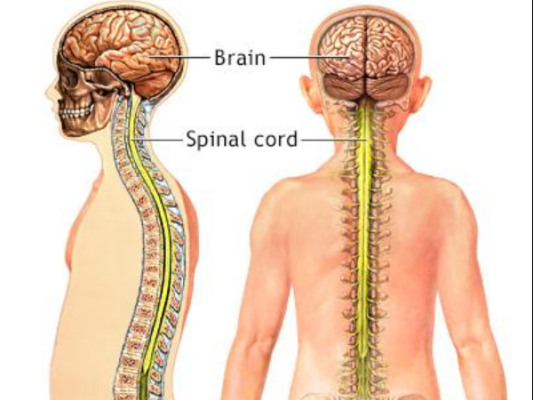
To understand psychoactive substances properly, it is necessary to examine how the brain communicates and regulates different activities.
The human brain contains billions of nerve cells known as neurons. These cells communicate with one another through electrical and chemical signals.
Chemical messengers called neurotransmitters help transmit information between neurons. They participate in regulating mood, sleep, motivation, memory, attention, movement, pain, and many other processes.
Psychoactive substances can influence these communication systems in different ways.
Some substances increase the activity of particular neurotransmitter systems, while others reduce activity, imitate naturally occurring chemical messengers, or interfere with the processes responsible for removing neurotransmitters from the spaces between neurons.
These changes can influence how a person feels, thinks, and behaves.
2.1 Understanding Neurotransmitters
Neurotransmitters are chemical messengers that allow nerve cells to communicate.
Several neurotransmitter systems are particularly relevant to understanding psychoactive substances.
Dopamine
Dopamine is involved in motivation, movement, learning, reward processing, and reinforcement.
Certain psychoactive substances influence dopamine-related pathways, particularly those involved in motivation and reward. These changes can contribute to the reinforcing effects of substance use.
Serotonin
Serotonin participates in regulating mood, sleep, appetite, and several other bodily functions.
Some psychoactive substances influence serotonin receptors or alter serotonin signalling. These changes can affect mood and perception.
GABA
Gamma-aminobutyric acid (GABA) is a major inhibitory neurotransmitter in the brain.
It helps regulate nervous system activity by reducing the likelihood that certain neurons will become activated. Some sedative substances enhance GABA-related activity, contributing to relaxation and reduced brain activity.
Glutamate
Glutamate is the major excitatory neurotransmitter in the central nervous system.
It plays important roles in learning, memory, communication between neurons, and brain development.
Certain substances influence glutamate signalling, potentially changing perception, memory, and other cognitive functions.
Norepinephrine
Norepinephrine helps regulate alertness, attention, stress responses, and physiological arousal.
Some stimulant substances increase activity in norepinephrine-related pathways, potentially producing increased wakefulness and physical activation.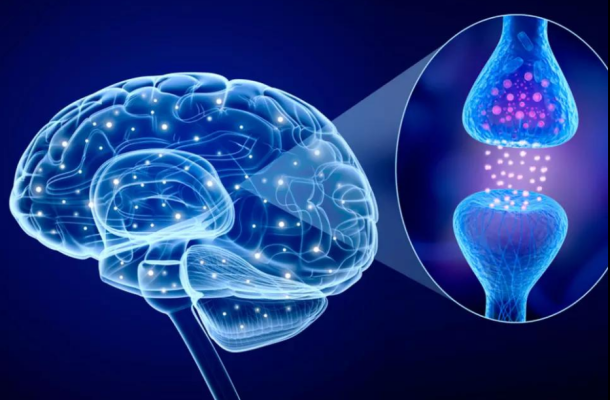
2.2 The Brain’s Reward System
The brain has interconnected systems that help individuals recognize rewarding experiences and repeat behaviours associated with survival and well-being.
These systems participate in activities such as eating, social interaction, learning, and achieving personal goals.
Some psychoactive substances affect the reward system, particularly pathways involving dopamine.
When a substance produces a rewarding or reinforcing experience, the brain may begin associating its consumption with that experience.
Repeated exposure can strengthen these associations and contribute to cravings or compulsive patterns of use in some individuals.
This is one reason why certain psychoactive substances can become difficult to stop using, even when continued consumption causes problems.
However, the development of substance dependence is influenced by multiple biological, psychological, and environmental factors. It cannot be explained by dopamine alone.
2.3 How Psychoactive Substances Change Behaviour
Because the brain regulates behaviour, substances that influence its activity can produce noticeable changes in how individuals act.
Possible behavioural effects include:
- Increased talking or physical activity.
- Reduced alertness and slower reactions.
- Changes in emotional responses.
- Difficulty concentrating.
- Altered judgment and decision-making.
- Increased confidence or feelings of euphoria.
- Anxiety, agitation, or irritability.
- Changes in sensory perception.
- Reduced coordination and balance.
The particular effects depend on the substance, individual characteristics, and circumstances of use.
Some changes may be temporary, while repeated or prolonged use of certain substances may contribute to longer-lasting health and behavioural difficulties.
3. Major Types of Psychoactive Substances
Psychoactive substances can be classified according to their chemical properties, medical uses, legal status, and effects on the central nervous system.
One commonly used educational classification groups them according to their predominant effects:
- Stimulants.
- Depressants.
- Hallucinogens and psychedelics.
- Opioids.
- Cannabis and cannabinoid substances.
- Dissociative substances.
- Inhalants.
These categories are useful for understanding broad patterns, although some substances have overlapping or dose-dependent effects.
For example, cannabis may produce different effects depending on its composition, the individual, and the amount consumed. MDMA also has characteristics associated with more than one pharmacological category. Can I see Understanding Psychoactive Substances online?
3.1 Stimulants
Stimulants are psychoactive substances that increase activity in certain parts of the central nervous system.
They can influence alertness, attention, energy, and physical activity.
Some stimulants are prescribed for particular medical conditions, while others are used non-medically or recreationally.
Common examples include:
- Caffeine.
- Nicotine.
- Cocaine.
- Amphetamines.
- Methamphetamine.
- Certain prescription stimulant medications.
How Stimulants Work
Stimulants influence neurotransmitter systems associated with alertness, motivation, and physiological arousal.
Depending on the substance, they may increase the activity or availability of neurotransmitters such as dopamine and norepinephrine.
This can produce temporary feelings of increased energy, reduced tiredness, and greater alertness.
However, these effects do not necessarily indicate improved overall performance. A person may feel more alert while still experiencing impaired judgment, excessive physiological stimulation, or reduced sleep quality.
Common Effects of Stimulants
Possible short-term effects include:
- Increased wakefulness.
- Faster heart rate.
- Increased blood pressure.
- Reduced appetite.
- Difficulty sleeping.
- Restlessness.
- Anxiety.
- Increased body temperature.
- Irritability.
The intensity of these effects varies significantly between substances.
Potential Health Risks
Excessive or inappropriate stimulant use can contribute to cardiovascular complications, anxiety, sleep disturbances, and other physical or psychological problems.
Some stimulants have a significant potential for dependence, particularly when used repeatedly outside medical supervision.
High-risk stimulant exposure may cause dangerous increases in heart rate and blood pressure, irregular heart rhythms, seizures, or other medical emergencies.
For these reasons, prescribed stimulant medications should only be used according to the instructions of an appropriately qualified healthcare professional.
3.2 Depressants
Depressants are substances that reduce activity in certain areas of the central nervous system.
They may produce relaxation, sedation, reduced anxiety, muscle relaxation, and sleepiness.
Although the word depressant can sound alarming, it describes a pharmacological effect rather than necessarily indicating depression as a mental health condition.
Common examples include:
- Alcohol.
- Benzodiazepines.
- Certain sleeping medications.
- Barbiturates.
- Some sedative medications.
How Depressants Work
Many depressants influence inhibitory neurotransmitter systems, particularly GABA-related pathways.
By enhancing inhibitory signalling, certain depressants reduce nervous system activity.
Depending on the substance, this may produce calmness, sedation, reduced anxiety, impaired coordination, or decreased alertness.
Common Effects of Depressants
Possible effects include:
- Relaxation.
- Drowsiness.
- Slower reactions.
- Reduced coordination.
- Impaired concentration.
- Slurred speech.
- Reduced judgment.
- Memory difficulties.
The effects can become dangerous when substances are consumed in excessive amounts or combined with other central nervous system depressants.
Potential Health Risks
One of the most important risks associated with certain depressants is respiratory suppression.
When breathing becomes dangerously slow or inadequate, the brain and other organs may not receive sufficient oxygen.
Combining alcohol with sedative medications can significantly increase the risk of severe sedation, loss of consciousness, and potentially fatal respiratory complications.
Long-term use of some sedatives can also lead to tolerance and physical dependence.
Importantly, people who have developed dependence on certain medications, particularly benzodiazepines, should not stop abruptly without medical advice because withdrawal may cause serious complications, including seizures.
3.3 Hallucinogens and Psychedelic Substances
Hallucinogens are substances that can produce significant changes in sensory perception, thought patterns, and awareness.
Some substances in this category are commonly described as psychedelics.
Examples include:
- LSD.
- Psilocybin.
- Mescaline.
- DMT.
These substances may alter how individuals perceive colours, sounds, shapes, time, emotions, and their surroundings.
Some people experience changes in their sense of self or their interpretation of reality.
How Hallucinogens Work
Different hallucinogens affect the brain through different mechanisms.
Classic psychedelics, including LSD and psilocybin, primarily influence serotonin receptor systems, particularly the 5-HT2A receptor.
These interactions can change communication patterns across brain networks involved in perception, cognition, and emotional processing.
The resulting experiences can vary significantly between individuals.
Common Effects of Hallucinogens
Possible effects include:
- Altered visual perception.
- Changes in the perception of time.
- Intense emotional experiences.
- Unusual sensory experiences.
- Changes in thought patterns.
- Confusion.
- Anxiety or panic.
- Distorted perception of surroundings.
Although some individuals describe positive experiences, others may experience fear, distress, or disorientation.
Potential Health Risks
The unpredictable nature of hallucinogenic experiences can create safety concerns.
Individuals may misinterpret their surroundings, experience severe anxiety, or engage in unsafe behaviour while their perception and judgment are altered.
Some people may experience prolonged psychological difficulties.
There are also concerns about worsening symptoms in individuals with certain underlying mental health vulnerabilities.
Research into the possible therapeutic applications of selected psychedelic substances continues, but research findings should not be interpreted as evidence that unsupervised use is safe or medically effective.
3.4 Opioids
Opioids are psychoactive substances that act on opioid receptors throughout the nervous system.
They are particularly important in medicine because certain opioids can help manage moderate to severe pain.
Examples include:
- Morphine.
- Codeine.
- Oxycodone.
- Fentanyl.
- Tramadol.
- Heroin, which is an illicit opioid in many jurisdictions.
Medical Applications of Opioids
Healthcare professionals may prescribe opioid medications for specific pain-related conditions.
When appropriately selected and monitored, these medications can provide meaningful pain relief.
However, opioid medications also carry important risks.
Their effects can include pain reduction, sedation, drowsiness, and, in some circumstances, feelings of euphoria.
How Opioids Affect the Brain
Opioids bind to opioid receptors, which participate in regulating pain, emotional responses, and other physiological processes.
Their action can reduce the transmission and perception of pain signals.
However, opioids can also suppress the brain systems responsible for maintaining normal breathing.
This makes opioid overdose particularly dangerous.
Potential Health Risks
Possible opioid-related risks include:
- Constipation.
- Nausea.
- Drowsiness.
- Confusion.
- Physical dependence.
- Withdrawal symptoms.
- Respiratory depression.
- Accidental overdose.
Combining opioids with alcohol or sedative medications increases the risk of severe respiratory suppression.
An opioid overdose can be fatal.
Naloxone is a medication that can rapidly reverse the effects of opioid overdose and is an important component of overdose prevention in settings where it is available.
Anyone who suspects an opioid overdose should seek emergency medical assistance immediately.
3.5 Cannabis and Cannabinoid Substances
Cannabis is a plant containing several chemical compounds known as cannabinoids.
The two commonly discussed cannabinoids are:
- Tetrahydrocannabinol (THC).
- Cannabidiol (CBD).
THC is the primary intoxicating compound responsible for many of the psychoactive effects associated with cannabis.
CBD does not produce the same intoxicating effects as THC, although it can still influence biological systems.
How Cannabis Affects the Brain
Cannabinoids interact with the body’s endocannabinoid system.
This system participates in regulating mood, appetite, memory, pain, sleep, and other physiological processes.
THC primarily activates cannabinoid receptors, particularly CB1 receptors, which are widely distributed throughout the brain.
This interaction can influence memory, coordination, attention, and perception.
Common Effects of Cannabis
Possible effects include:
- Relaxation.
- Altered sensory perception.
- Increased appetite.
- Changes in time perception.
- Reduced short-term memory.
- Impaired coordination.
- Anxiety.
- Increased heart rate.
The effects depend on several factors, including THC concentration, individual sensitivity, frequency of use, and the presence of other substances.
Potential Health Risks
Cannabis use may affect memory, attention, and learning, particularly during adolescence when the brain is still developing.
Frequent use has also been associated with cannabis use disorder in some individuals.
Other possible concerns include anxiety, impaired driving ability, and increased risk of psychotic symptoms among vulnerable individuals.
Cannabis-related health effects are not identical for every user.
3.6 Dissociative Substances
Dissociative substances can produce changes in awareness, perception, memory, and the sense of connection between the individual and their surroundings.
Examples include:
- Ketamine.
- Phencyclidine (PCP).
- Dextromethorphan at high or misused doses.
Some dissociative substances have medical applications.
For example, ketamine is used in certain medical settings as an anaesthetic, and specific formulations have been studied or approved for particular treatment indications in some jurisdictions.
Effects of Dissociative Substances
Possible effects include:
- Feelings of detachment.
- Altered perception of the body.
- Confusion.
- Changes in sensory experiences.
- Memory difficulties.
- Reduced coordination.
- Impaired judgment.
The effects vary depending on the substance and the circumstances of exposure.
Potential Health Risks
Misuse can contribute to accidents, psychological distress, impaired consciousness, and other medical complications.
Repeated ketamine misuse has been associated with serious urinary tract and bladder problems.
Medical use under professional supervision should be distinguished from unsupervised or recreational use. Research for Understanding Psychoactive Substances in Florida prison.
3.7 Inhalants
Inhalants are chemical substances whose vapours may be breathed in to produce psychoactive effects.
Examples include certain:
- Solvents.
- Aerosol products.
- Industrial gases.
- Volatile chemicals.
- Household chemical products.
Many inhalants are ordinary commercial or industrial products rather than substances manufactured for recreational consumption.
How Inhalants Affect the Body
Depending on the chemical involved, inhalants can interfere with normal brain activity and affect oxygen delivery, heart function, and other physiological processes.
Some produce short-lived intoxication, dizziness, confusion, or altered perception.
Potential Health Risks
Inhalant exposure can cause serious damage to the nervous system and other organs.
Possible consequences include:
- Dizziness.
- Headaches.
- Loss of coordination.
- Confusion.
- Loss of consciousness.
- Heart rhythm abnormalities.
- Brain and organ damage.
- Sudden death.
The risks are particularly concerning because some inhalants can cause severe complications even after limited exposure.
4. Common Examples of Psychoactive Substances in Everyday Life
One of the most important aspects of understanding psychoactive substances is recognizing that they are not limited to illegal drugs.
Some are widely available and socially accepted, while others require prescriptions or are controlled by law.
4.1 Caffeine
Caffeine is a naturally occurring stimulant found in coffee, tea, cocoa, and certain other plants.
It is also added to various energy drinks and commercial products.
Caffeine primarily works by blocking adenosine receptors. Adenosine is involved in promoting sleepiness, so blocking its effects can temporarily increase alertness.
Common effects include:
- Increased wakefulness.
- Reduced feelings of tiredness.
- Improved short-term alertness.
- Increased heart rate in some individuals.
- Difficulty sleeping when consumed late in the day.
Although caffeine is widely consumed, excessive intake may contribute to anxiety, restlessness, sleep problems, and unpleasant physical symptoms.
4.2 Alcohol
Alcohol is a psychoactive substance that affects multiple brain systems.
It can influence mood, judgment, coordination, memory, and reaction time.
Depending on the quantity consumed and individual circumstances, alcohol may produce relaxation, reduced inhibition, impaired decision-making, or severe intoxication.
Long-term harmful alcohol use is associated with several health conditions, including liver disease, cardiovascular problems, certain cancers, and mental health difficulties.
4.3 Nicotine
Nicotine is a psychoactive stimulant primarily associated with tobacco products and some electronic nicotine delivery systems.
It activates nicotinic acetylcholine receptors in the brain and can influence dopamine-related reward pathways.
Nicotine may temporarily increase alertness and produce reinforcing effects.
However, it has a significant dependence potential.
Tobacco smoking also exposes individuals to numerous toxic substances that contribute to cardiovascular disease, respiratory disease, and cancer.
4.4 Prescription Medications
Certain prescription medications affect brain function and may have psychoactive properties.
Examples include:
- Some antidepressants.
- Anti-anxiety medications.
- Stimulant medications.
- Opioid pain medicines.
- Sleeping medications.
- Certain antipsychotic medicines.
These medications may be prescribed to manage specific health conditions.
Their therapeutic value depends on appropriate selection, dosage, monitoring, and consideration of possible side effects.
Patients should not share prescription medications or change their treatment without consulting a qualified healthcare professional.
5. Short-Term Effects of Psychoactive Substances
The immediate effects of psychoactive substances are often referred to as acute effects.
These effects can appear shortly after exposure and may last for different periods depending on the substance.
Understanding short-term effects is important because intoxication can affect a person’s ability to perform ordinary activities safely.
5.1 Changes in Mood
Some substances can temporarily influence emotions and mood.
An individual may experience:
- Happiness or euphoria.
- Relaxation.
- Irritability.
- Anxiety.
- Sadness.
- Emotional instability.
- Increased confidence.
However, the emotional effects of a substance may change as intoxication progresses or wears off.
5.2 Changes in Thinking and Concentration
Psychoactive substances may influence cognitive processes.
Possible effects include:
- Reduced concentration.
- Confusion.
- Impaired judgment.
- Memory difficulties.
- Slower information processing.
- Difficulty solving problems.
These changes can interfere with learning, professional responsibilities, and daily activities.
5.3 Changes in Physical Coordination
Some substances interfere with communication between the brain and muscles.
This can affect:
- Walking.
- Balance.
- Hand-eye coordination.
- Reaction time.
- Speech.
- Driving ability.
For this reason, operating machinery or driving under the influence of impairing substances can be extremely dangerous.
5.4 Changes in Sleep
Psychoactive substances can influence sleep in different ways.
Some increase wakefulness, while others cause sedation.
However, sedation is not necessarily equivalent to healthy, restorative sleep.
Frequent substance-related sleep disruption may contribute to fatigue, concentration difficulties, and emotional disturbances.
5.5 Changes in Appetite
Some substances can increase appetite, while others suppress it.
For example, cannabis may increase appetite in some users, whereas certain stimulants may reduce feelings of hunger.
Repeated interference with normal appetite regulation can contribute to nutritional problems.
6. Long-Term Effects of Psychoactive Substance Use
Although short-term effects are often more noticeable, repeated or prolonged use of certain psychoactive substances can have more serious consequences.
The long-term effects depend on the substance, the frequency and duration of use, individual vulnerability, and other health-related factors.
Not every person who uses a psychoactive substance develops long-term complications.
Nevertheless, certain patterns of use are associated with significant risks.
6.1 Effects on Brain Function
Some psychoactive substances can affect cognitive processes over time.
Potential problems include:
- Memory difficulties.
- Reduced attention.
- Impaired learning.
- Problems with decision-making.
- Reduced impulse control.
- Changes in emotional regulation.
The developing brain may be particularly vulnerable to certain substance-related effects.
Adolescence and early adulthood are important periods of brain development, making prevention and education especially relevant during these stages.
6.2 Mental Health Problems
Substance use and mental health are closely connected.
Some substances may worsen existing psychological symptoms or contribute to the development of new difficulties.
Possible problems include:
- Anxiety.
- Depression.
- Sleep disturbances.
- Paranoia.
- Mood instability.
- Psychotic symptoms.
The relationship is complex. Mental health conditions can increase vulnerability to harmful substance use, while certain patterns of substance use may worsen mental health.
This relationship is sometimes described as a dual diagnosis or co-occurring mental health and substance use disorder when both conditions are present.
6.3 Cardiovascular Complications
Certain psychoactive substances can affect the cardiovascular system.
Potential complications include:
- Increased blood pressure.
- Rapid heart rate.
- Irregular heart rhythms.
- Heart attacks.
- Stroke.
Stimulants such as cocaine and methamphetamine are particularly associated with cardiovascular risks.
Alcohol and tobacco use can also contribute to long-term cardiovascular disease.
6.4 Liver and Kidney Problems
Some substances are processed through the liver, while the kidneys help remove waste products and regulate important bodily functions.
Repeated harmful exposure may contribute to organ damage.
Alcohol is associated with several forms of liver disease, including fatty liver disease, alcoholic hepatitis, and cirrhosis.
Other substances may affect kidney function directly or indirectly through dehydration, toxicity, or associated health complications. Popular sites for Understanding Psychoactive Substances in Miami.
6.5 Respiratory Problems
Smoking or inhaling certain psychoactive substances can expose the respiratory system to harmful chemicals.
Potential problems include:
- Chronic coughing.
- Airway irritation.
- Reduced lung function.
- Chronic bronchitis.
- Increased risk of respiratory disease.
The exact consequences depend on the substance and method of exposure.
6.6 Social and Financial Consequences
Substance-related problems are not limited to physical and psychological health.
They can also affect everyday life.
Some individuals may experience:
- Relationship conflicts.
- Reduced work productivity.
- Academic difficulties.
- Financial instability.
- Family disagreements.
- Social isolation.
- Legal difficulties.
These consequences can create additional stress and may contribute to continued harmful substance use.
7. Understanding Substance Use, Tolerance, Dependence, and Addiction
The terms substance use, tolerance, dependence, and addiction are often confused.
However, they describe different aspects of how individuals interact with psychoactive substances.
Understanding these differences is essential for recognizing when substance use may have become harmful.
7.1 Substance Use
Substance use simply refers to the consumption or administration of a substance.
It does not automatically mean that a person has a health problem.
For example, an individual who drinks coffee or uses a prescribed medication according to medical instructions is engaging in substance use.
The health implications depend on the substance and the circumstances.
7.2 Tolerance
Tolerance occurs when the body becomes less responsive to a substance after repeated exposure.
As tolerance develops, a person may experience reduced effects from an amount that previously produced a stronger response.
Some individuals may begin consuming larger amounts to achieve similar effects.
However, increasing consumption can raise the risk of adverse reactions, overdose, and other complications.
Tolerance does not develop in exactly the same way for every substance.
7.3 Physical Dependence
Physical dependence occurs when the body adapts to repeated exposure to a substance.
When consumption is reduced or stopped, withdrawal symptoms may develop.
Possible withdrawal symptoms include:
- Anxiety.
- Restlessness.
- Sweating.
- Tremors.
- Nausea.
- Sleep difficulties.
- Irritability.
- Changes in appetite.
The severity of withdrawal depends on the substance and individual circumstances.
Withdrawal from alcohol or certain sedative medications can be medically dangerous. Professional assessment is important before stopping these substances after prolonged use.
7.4 Psychological Dependence
Psychological dependence involves emotional or behavioural reliance on a substance.
An individual may feel a strong desire or perceived need to consume it to manage stress, improve mood, relax, or experience pleasure.
This can create repeated patterns of use even when negative consequences are becoming apparent.
7.5 Substance Use Disorder
A substance use disorder is a recognized health condition involving a problematic pattern of substance use that causes clinically significant impairment or distress.
Common features may include:
- Difficulty controlling consumption.
- Repeated unsuccessful attempts to reduce use.
- Strong cravings.
- Spending considerable time obtaining or using the substance.
- Neglecting important responsibilities.
- Continued use despite negative consequences.
- Giving up important activities because of substance use.
Substance use disorders vary in severity and may require different levels of professional support.
It is important to remember that they are treatable health conditions. Individuals experiencing them should be approached with understanding rather than discrimination.
8. Factors That Influence the Effects of Psychoactive Substances
Two people may respond differently to the same substance.
Even the same person may experience different effects on separate occasions.
This happens because the effects of psychoactive substances are influenced by multiple interacting factors.
8.1 Type of Substance
Different substances interact with different biological systems.
A stimulant, for example, generally produces a different pattern of effects from a sedative or opioid.
Even substances belonging to the same broad category can have different levels of potency and different health risks.
8.2 Amount Consumed
The amount of a substance can influence the intensity and duration of its effects.
Higher exposure may increase the likelihood of intoxication and adverse reactions.
However, the relationship between amount and effect is not always simple because individual sensitivity and other circumstances also matter.
8.3 Frequency of Use
Repeated exposure can contribute to tolerance and dependence for certain substances.
Frequent use may also increase cumulative health risks.
8.4 Age and Brain Development
Age can influence how the body processes substances.
Children and adolescents may be particularly vulnerable to certain psychoactive effects because their brains and bodies are still developing.
Older adults may also experience increased sensitivity to some medications due to age-related changes in metabolism and organ function.
8.5 Genetics
Genetic differences can influence how the body metabolizes substances and how individuals respond to their effects.
Some people may be more susceptible to particular adverse reactions or substance-related problems.
Genetics is only one part of the picture and does not determine an individual’s future.
8.6 Mental and Physical Health
Existing health conditions may affect how a person responds to psychoactive substances.
For example, someone with a cardiovascular condition may face additional risks from substances that increase heart rate or blood pressure.
Individuals with certain mental health conditions may also experience worsening symptoms following exposure to particular substances.
8.7 Mixing Different Substances
Combining psychoactive substances can produce unpredictable and sometimes dangerous effects.
For example:
- Alcohol combined with opioids may increase respiratory depression.
- Alcohol combined with sedatives may increase sedation and loss of consciousness.
- Multiple stimulants may increase cardiovascular stress.
- Combining substances can make it harder to recognize the early signs of overdose.
A person should not assume that two substances are safe to combine simply because each is available legally or has been prescribed individually.
9. Medical Uses and Potential Benefits of Psychoactive Substances
Discussions about psychoactive substances often focus on their dangers. However, it is equally important to recognize that some have legitimate medical applications.
The distinction between appropriate medical use and harmful non-medical use is essential.
9.1 Pain Management
Certain opioid medications are used to manage moderate to severe pain.
They may be prescribed following surgery, serious injuries, or for selected chronic pain conditions.
Their use requires careful assessment because of the possibility of tolerance, dependence, and respiratory depression.
Healthcare professionals consider the potential benefits and risks before prescribing these medicines.
9.2 Treatment of Attention-Related Conditions
Some stimulant medications are prescribed to individuals with attention-deficit/hyperactivity disorder (ADHD).
When appropriately prescribed and monitored, these medicines may help improve attention, reduce impulsivity, and manage symptoms.
They should not be used without an appropriate medical assessment.
9.3 Mental Health Treatment
Certain psychoactive medications are important components of modern mental healthcare.
Examples include:
- Antidepressants.
- Antipsychotics.
- Selected anti-anxiety medications.
- Mood stabilizing medications.
These treatments influence brain chemistry and neural signalling in different ways.
Their effects, benefits, and possible side effects vary.
Treatment decisions should be made with qualified healthcare professionals.
9.4 Anaesthesia and Medical Procedures
Certain psychoactive substances are used in anaesthesia and other medical procedures.
They can temporarily alter consciousness, reduce pain perception, or produce sedation under controlled medical conditions.
Such use requires appropriate training, monitoring, and safety procedures.
9.5 Emerging Research on Psychedelic-Assisted Treatment
Scientists continue investigating whether selected psychedelic substances may have therapeutic applications for certain mental health conditions.
Research has explored substances such as psilocybin and other compounds in carefully controlled clinical environments.
However, promising research findings do not establish that these substances are suitable for everyone.
Important questions remain concerning patient selection, long-term outcomes, adverse effects, and appropriate clinical supervision.
Research into therapeutic applications should not be confused with evidence supporting unsupervised recreational use.
10. Warning Signs of Harmful Psychoactive Substance Use
Recognizing potentially harmful substance use early can make a meaningful difference.
Not every change in behaviour indicates a substance-related problem, but a combination of persistent warning signs may suggest that someone needs professional support.
10.1 Physical Warning Signs
Possible physical indicators include:
- Unexplained changes in body weight.
- Persistent tiredness.
- Bloodshot eyes.
- Frequent sleep disturbances.
- Poor personal hygiene.
- Unexplained injuries.
- Changes in appetite.
- Unusual physical agitation or drowsiness.
These symptoms are not specific to substance use and may have other medical explanations.
10.2 Behavioural Warning Signs
Behavioural changes may include:
- Increasing secrecy.
- Withdrawal from family and friends.
- Neglecting responsibilities.
- Repeated financial difficulties.
- Unexplained absences.
- Loss of interest in previously enjoyed activities.
- Continued substance use despite negative consequences.
10.3 Psychological Warning Signs
Psychological symptoms may include:
- Increased anxiety.
- Irritability.
- Depression.
- Mood changes.
- Poor concentration.
- Intense cravings.
- Difficulty managing emotions.
If these symptoms persist, a professional assessment can help identify their cause.
10.4 When Should Someone Seek Help?
Professional assistance should be considered when substance use begins interfering with health, relationships, education, work, or everyday responsibilities.
Urgent medical attention is necessary when someone experiences:
- Difficulty breathing.
- Loss of consciousness.
- Seizures.
- Severe confusion.
- Chest pain.
- Signs of serious overdose.
If an overdose is suspected, contact local emergency medical services immediately. Do not wait for symptoms to disappear.
11. The Relationship Between Psychoactive Substances and Mental Health
Mental health is an important part of understanding psychoactive substances.
The brain regulates both physical and psychological processes, so substances that influence brain activity can also affect emotional well-being.
The relationship between substance use and mental health is complex and may involve several interconnected factors.
11.1 Substance Use and Anxiety
Certain substances may temporarily change feelings of anxiety.
For example, some sedatives reduce anxiety in the short term, while certain stimulants may increase nervousness and physiological arousal.
However, repeated or inappropriate use can contribute to worsening anxiety or withdrawal-related symptoms.
People should not rely on non-prescribed substances as a primary way of managing anxiety.
11.2 Substance Use and Depression
Some psychoactive substances can influence mood and emotional regulation.
Repeated harmful use may contribute to depressive symptoms or make existing depression more difficult to manage.
In other circumstances, individuals experiencing depression may turn to substances as a way of coping with emotional distress.
This can create a cycle in which mental health difficulties and harmful substance use reinforce each other.
11.3 Substance Use and Psychosis
Certain psychoactive substances can produce psychotic symptoms, particularly in vulnerable individuals.
Possible symptoms include:
- Hallucinations.
- Delusional beliefs.
- Severe paranoia.
- Disorganized thinking.
These symptoms require professional assessment.
Substance-related psychosis and primary psychotic disorders are not necessarily the same condition, and careful evaluation may be needed to understand the underlying cause.
11.4 The Importance of Integrated Treatment
When mental health and substance use problems occur together, addressing only one condition may not be sufficient.
Integrated treatment approaches aim to consider both conditions.
Depending on individual needs, treatment may include psychological support, appropriate medication, substance use counselling, social assistance, and continued monitoring.
12. Psychoactive Substances Among Young People
Young people are an important population when discussing substance-related health and prevention.
Adolescence is a period of significant physical, emotional, and neurological development.
During this stage, the brain systems involved in decision-making, emotional regulation, and impulse control continue developing.
Exposure to certain psychoactive substances during this period may create additional health concerns.
12.1 Why Young People May Experiment With Substances
There are several reasons why adolescents and young adults may experiment with psychoactive substances.
These may include:
- Peer pressure.
- Curiosity.
- Social influence.
- Stress.
- Family difficulties.
- Emotional distress.
- Desire for acceptance.
- Exposure through entertainment and social media.
- Limited understanding of potential risks.
These factors do not affect every young person in the same way.
12.2 Possible Consequences of Early Substance Use
Early exposure to certain psychoactive substances may be associated with:
- Problems with concentration.
- Academic difficulties.
- Increased risk of harmful substance use patterns.
- Emotional disturbances.
- Accidents and injuries.
- Conflicts with family members.
- Changes in social relationships.
The specific risks depend on the substance and the individual’s circumstances.
12.3 The Role of Parents and Guardians
Parents and guardians can support prevention by maintaining open communication with young people.
Useful approaches include:
- Providing age-appropriate information.
- Discussing substance-related risks without unnecessary intimidation.
- Encouraging healthy friendships.
- Supporting emotional well-being.
- Paying attention to significant behavioural changes.
- Seeking professional help wh