
Understanding Psychoactive Substances: Types, Effects, Uses, and Potential Health Risks Introduction: Understanding Psychoactive Substances Psychoactive substances are part of everyday life, although many people may not immediately recognize how frequently they encounter them. From the caffeine found in a morning cup of coffee to the alcohol consumed during social gatherings, nicotine in tobacco products, and […]

Category Archives: How Does Synthetic Cannabinoids Work
Learn How Does Synthetic Cannabinoids Work
Synthetic cannabinoids are man-made chemicals designed to interact with cannabinoid receptors in the brain and body. They are often associated with names such as K2, Spice, and synthetic marijuana. Despite these names, synthetic cannabinoids are not the same as natural cannabis, and their effects can be significantly more unpredictable.
Products containing synthetic cannabinoids may be sold under misleading labels or with claims that make them appear harmless. However, their ingredients and concentrations can vary, and some products have been associated with severe poisoning, seizures, hallucinations, cardiovascular complications, and kidney injury.
Understanding synthetic cannabinoid health risks is essential for anyone researching these substances, supporting a loved one, or seeking reliable information about drug-related emergencies.
This guide explains what synthetic cannabinoids are, how they affect the body, the symptoms associated with exposure, possible long-term consequences, treatment options, and steps to take if someone experiences a serious reaction.
Important safety information: Synthetic cannabinoid poisoning can be life-threatening. If someone experiences a seizure, collapses, develops chest pain, has severe difficulty breathing, or becomes unconscious after suspected exposure, contact local emergency medical services immediately.
What Are Synthetic Cannabinoids?
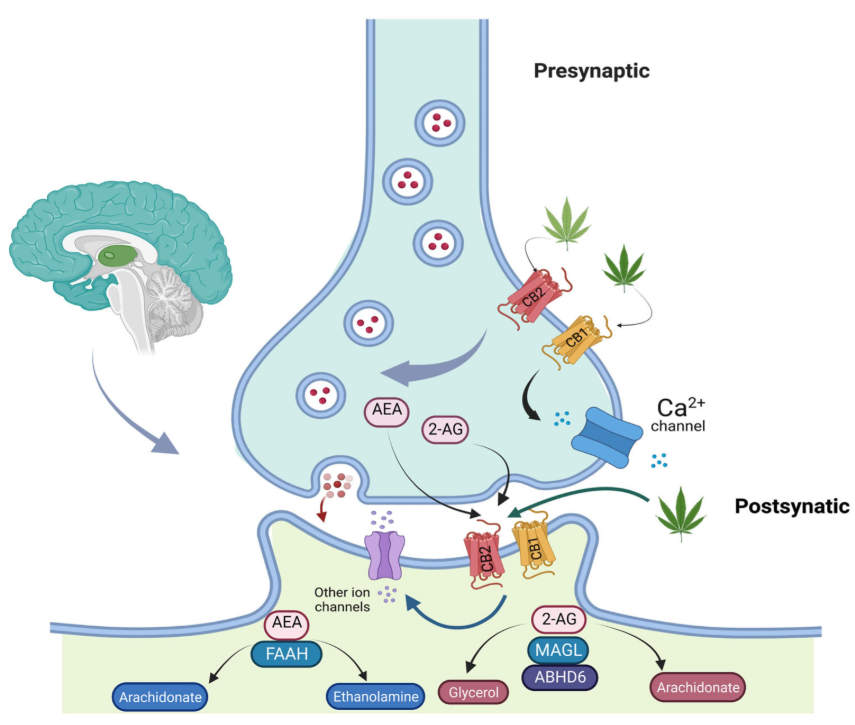
Synthetic cannabinoids are laboratory-made chemicals that interact with cannabinoid receptors in the body. These receptors are part of the endocannabinoid system, which contributes to regulating functions such as memory, mood, appetite, and perception.
Although some synthetic cannabinoids were originally developed for scientific research, certain compounds have entered unregulated recreational drug markets.
Products containing these substances are sometimes marketed as alternatives to cannabis. Commonly associated names include K2 and Spice, but these labels do not identify a single standardized chemical.
Different products may contain different compounds, and the contents of a product can change without an obvious change in its branding.
According to the US Centers for Disease Control and Prevention (CDC), synthetic cannabinoids can produce unpredictable effects because their chemical contents are often uncertain. They have been associated with severe illness and potentially life-threatening complications.
You can learn more from the CDC’s cannabis frequently asked questions.
The most important point is that synthetic cannabinoids should not be assumed to be safe simply because they are marketed as herbal products, incense, or alternatives to natural cannabis.
Understanding K2, Spice, and Synthetic Marijuana
K2 and Spice are widely recognized names associated with synthetic cannabinoid products.
The term synthetic marijuana is also used, but it can be misleading. These products may contain no natural cannabis at all. Instead, they may contain man-made chemicals that act on cannabinoid receptors.
Product names and packaging are not reliable indicators of composition or safety. Two products with the same name may contain different substances, and concentrations can vary between batches.
Some products have historically been sold with labels stating that they are not intended for human consumption. Such wording does not establish that the contents are safe.
The uncertainty surrounding ingredients is one reason synthetic cannabinoid exposure can be difficult to predict and diagnose.
Consumers may not know what chemicals are present, while healthcare professionals may have difficulty identifying the exact compound involved in a medical emergency.
How Do Synthetic Cannabinoids Affect the Body?
Synthetic cannabinoids interact with receptors in the endocannabinoid system, particularly CB1 receptors found throughout the brain and central nervous system.
These receptors participate in processes involving memory, coordination, mood, and perception.
THC, the principal intoxicating compound in cannabis, also interacts with cannabinoid receptors. However, synthetic cannabinoids are chemically different, and their effects can be substantially different.
Many synthetic cannabinoids act as strong activators of CB1 receptors. Depending on the compound, this may produce intense changes in brain activity and other bodily functions.
Possible effects include anxiety, confusion, altered perception, hallucinations, rapid heartbeat, and seizures.
Some compounds may also affect other biological systems, making their overall effects more difficult to predict.
The response depends on several factors, including the specific substance, the amount of exposure, the person’s health, and whether other drugs or alcohol are involved.
Because unregulated products may contain unknown ingredients, it is not possible to reliably predict their effects based on packaging or previous experience.
Synthetic Cannabinoids vs. Natural Cannabis
Synthetic cannabinoids and natural cannabis are not interchangeable.
Natural cannabis contains multiple plant-derived compounds, including THC and cannabidiol (CBD). Synthetic cannabinoids are laboratory-made chemicals that interact with cannabinoid receptors.
Both can cause adverse effects, but unregulated synthetic cannabinoid products have been associated with particularly unpredictable and severe reactions.
Important differences include:
- Chemical composition: Natural cannabis contains plant-derived compounds, while synthetic cannabinoid products may contain one or more man-made chemicals.
- Receptor activity: Some synthetic cannabinoids activate cannabinoid receptors more strongly than THC.
- Consistency: Synthetic cannabinoid products may have highly variable ingredients and concentrations.
- Health risks: Synthetic cannabinoid exposure has been associated with severe neurological, psychiatric, cardiovascular, and kidney complications.
- Product regulation: A substance developed for research or a regulated medical product is not equivalent to an unregulated recreational mixture.
Neither natural origin nor laboratory manufacture is, by itself, proof of safety. The particular compound, dose, and circumstances of exposure matter.
Cannabis vs Synthetic Cannabinoids: Key Differences, Effects, Risks, and Safety When comparing cannabis vs synthetic cannabinoids, it is easy to assume they are essentially the same because both can affect the body’s cannabinoid receptors and may produce similar psychoactive effects. They are not the same. Cannabis is a plant that naturally produces cannabinoids such as […]
Substance Use and Addiction Support: Understanding Treatment, Recovery, and Where to Get Help Substance use can affect almost every part of a person’s life, including physical health, mental health, relationships, work, education, finances, and overall well-being. When substance use becomes difficult to control or continues despite harmful consequences, it may be a sign of a […]
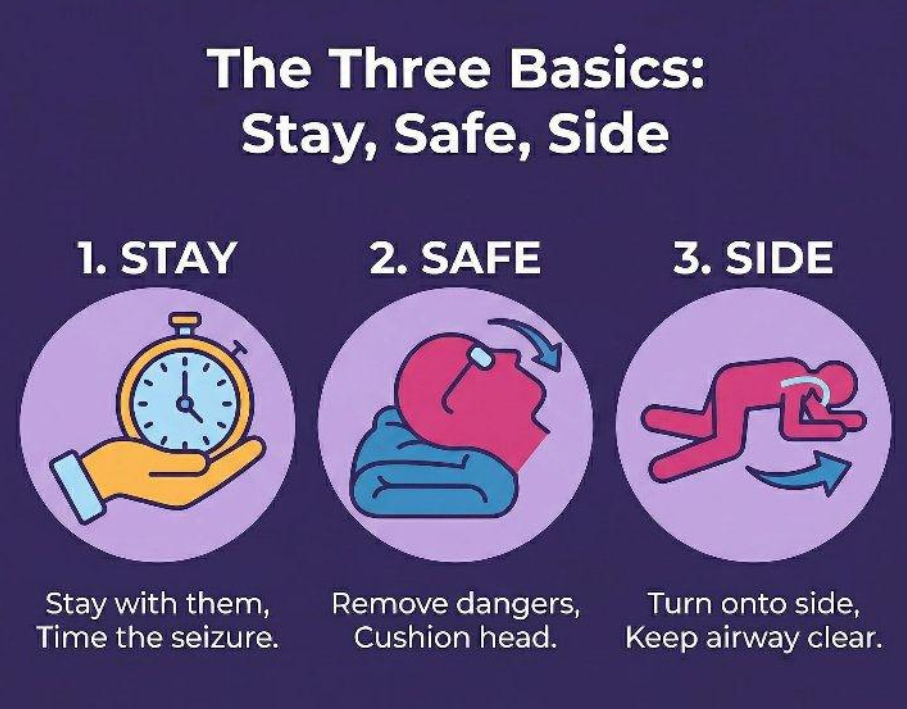
What to Do During a Seizure: A Complete First-Aid and Safety Guide Witnessing someone have a seizure can be frightening, especially when you do not know what is happening or how to help. The person may suddenly fall, experience muscle jerking, stare blankly, become confused, or temporarily lose awareness of their surroundings. Although these symptoms […]
Signs of Drug Poisoning: Symptoms, Warning Signs, and What to Do Drug poisoning is a serious health condition that can occur when a person is exposed to a harmful amount of a drug or medication. It may happen after taking too much prescription medicine, accidentally swallowing the wrong medication, using an unknown substance, or combining […]
What Are Synthetic Cannabinoids? Effects, Risks, Symptoms, and Treatment Synthetic cannabinoids are man-made chemicals designed to interact with the same brain receptors affected by THC, the primary psychoactive compound in cannabis. Although these substances are sometimes marketed as synthetic marijuana or herbal cannabis alternatives, they are not the same as natural cannabis and can produce […]